Supplier Guide: What to Compare When Choosing LED Displays
Opening: a quick reckon
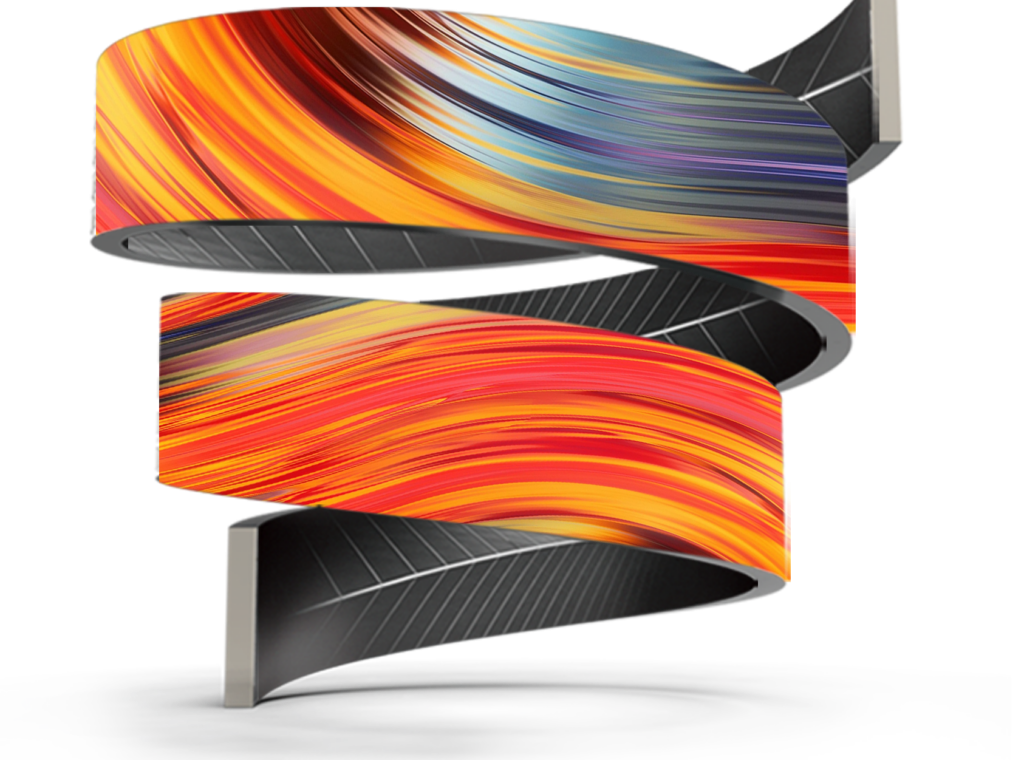
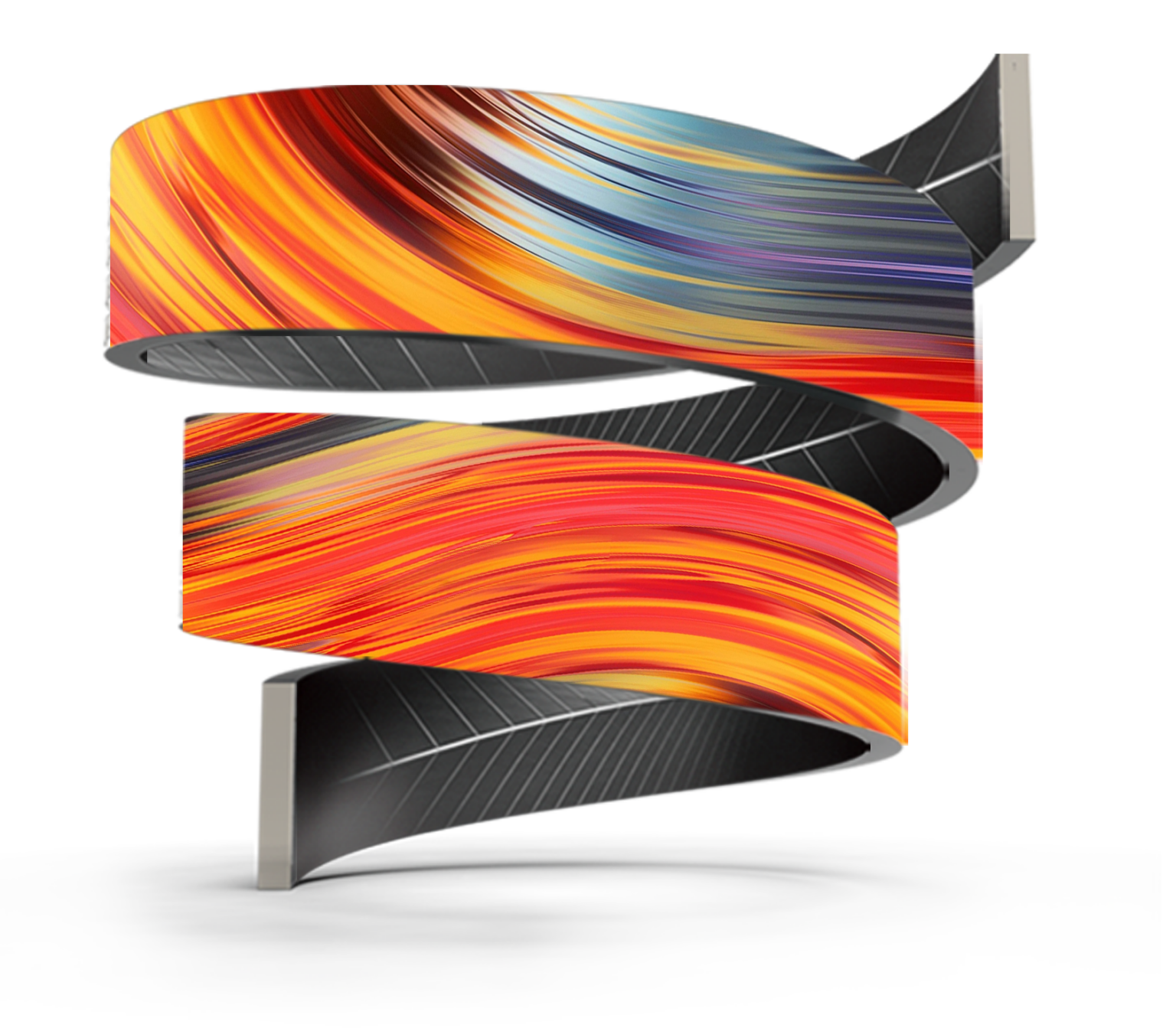
You're standing before specs and sales sheets, thinking which panel will sing and which will merely hum — start by checking how the product behaves, not how prettily it's described. If you can, ask for a short demo of a flexible led screen so you see the curve, the colour and the control under real light. The best decision comes from side-by-side evidence, not promises.
What to measure first: the technical essentials
Compare pixel pitch and viewing distance together; they talk to each other. Measure brightness in nits and check uniformity across a large face; a single hotspot ruins the picture. Ask about bending radius and module seam alignment for curved installs — numbers alone lie unless you see a sample. Match input options (HDMI, SDI, fiber) to your control system; mismatches force costly converters. Finally, test refresh rate and grayscale response with live content — flicker and banding are giveaways of cheaper processing.
Build quality and longevity: where details tell the true tale
Look at the cabinet build, the cooling approach and the ingress rating. A well-designed backplate and proper airflow extend life; a metal clasp that feels cheap is a promise to return. Query LEDs’ binning and the supplier’s burn-in process. Warranty terms matter only if the supplier stands behind fast diagnostics and part swaps — long lead times for replacements are the common trap.
 Service, supply chain and lead time compared
Compare lead times, not only for first delivery but for spare modules and controllers. Ask how the supplier handles RMA and on-site repairs. A short lead time with no local support can cost you weeks in downtime; reliable logistics and available replacement parts often save more money than the cheapest unit price.
Cost vs total ownership: run the numbers
Price per square metre is a start. Add expected maintenance, spare parts, power consumption, and potential downtime to get lifetime cost. Compare energy specs under typical brightness settings — a 15% higher upfront cost can be worth it if running costs and failure frequency fall drastically. Don’t let unit price be the only deciding column on your spreadsheet.
EEAT and a real-world anchor
I’ve spent years testing displays in venues from small theatres to corporate halls; that hands-on time sharpens judgement. Industry trade shows are a reliable proving ground — for instance, products on show at Integrated Systems Europe in Barcelona have been where many suppliers first demonstrated their flexible designs, and you can find independent coverage of those showcases. See a true Flexible curved LED screen in that context and note how seams, colour and mounting behave under stage lighting; that sight often separates labs from installers.
Common mistakes buyers make
Picking pixel pitch without considering viewing distance. Choosing a supplier for price alone while ignoring service response. Assuming certifications equal better performance — they confirm safety or standards, but actual visual quality and repairability still vary. Forgetting to test the control software with your content format is another frequent error; an awkward control system turns a good screen into a headache.
Viable alternatives and when to pick them
If you need tight curves and thin cabinets, pick a supplier specialising in creative LED modules. For large outdoor façades, favour IP-rated, high-brightness panels with redundant power paths. For rental and touring, mobility, quick rigging and fast module swaps beat absolute pixel density. Match the product family to the job rather than forcing one solution everywhere.
Closing thought
Compare the measurable things — light output, bend specs, service response — and then watch for the subtler signs: sample builds, honest trouble tickets, and clear spare-part paths. Suppliers who meet those checks deliver fewer surprises; that's the practical value you should expect from a partner like HDC.