Smart, Sustainable Garden Interiors: Practical Tips for a Harmonious Home
A practical guide to blending gardening, decor, and interior upgrades for a cohesive, sustainable home environment.
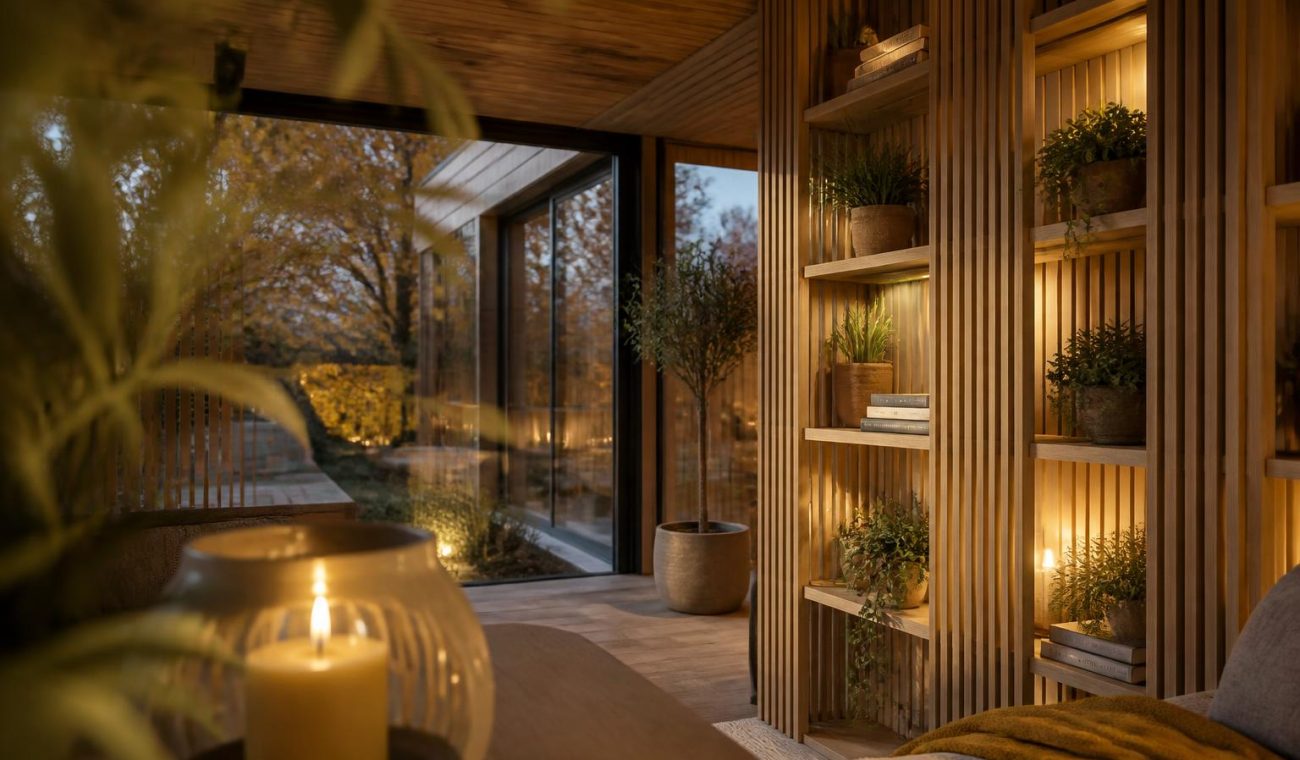
Choosing plants that thrive indoors and out
A balanced approach to home improvement begins with selecting plants that perform well in both interior and garden settings. By prioritizing varieties with modest light needs and strong resilience, you can create a seamless transition between your living spaces and outdoor plots. This strategy reduces maintenance while expanding color and texture through the year. For inspiration, consider a compactJapanese maple near a sunlit window, paired with trailing pothos to soften edges and invite nature inside. inertial measurement unit becomes a subtle metaphor for how precise measurements inform plant placement and overall mood.
When planning, map light levels, airflow, and humidity in both rooms and garden beds. Use weather-resistant pots that coordinate with interior decor to unify the look. Favor native species that support local pollinators, reducing upkeep while boosting biodiversity in both spaces. A practical mix might include a jade plant for structure and lavender for fragrance, creating a calm backdrop for daily life and weekend gardening sessions.
Soil, composting, and potting techniques
Healthy soil is the foundation of productive gardening and a cornerstone of smart home improvement projects. In interior containers, switch to a well-draining mix that supports roots without waterlogging, then refresh annually with composted amendments. Outdoors, layer organic matter into garden beds to improve water retention and microbial life, which sustains plant vigor through changing seasons. Consistent feeding schedules help prevent nutrient gaps and keep potted plants looking vibrant year-round.
Consider modular planters that can be rearranged as rooms evolve. This flexibility mirrors interior design trends toward adaptable decor that can shift with tastes or family needs. Use a soil testing kit to tailor amendments to your specific climate, then label your mixes for easy replication. The result is healthier growth and less guesswork during seasonal transitions.
Water management for indoor and outdoor spaces
Efficient watering is essential for both interior greenery and garden beds, reducing water waste and supporting sustainable home improvement. Install drip irrigation or timed sprinklers to deliver consistent moisture while minimizing evaporation. In living spaces, choose self-watering planters that maintain steady soil moisture and prevent overwatering, which can lead to root rot and unsightly yellowing leaves. Smart sensors can help calibrate schedules for changes in temperature and humidity.
Hydroponic or containerized approaches can maximize yields in small spaces while preserving soil health in the garden. Pair drought-tolerant herbs like oregano and thyme with moisture-holding pebbles for stability and airflow. A simple rain barrel collected runoff can feed container gardens and border plantings, extending irrigation capabilities without demanding constant attention.
Lighting strategies that unify home and garden aesthetics
Lighting plays a pivotal role in interior ambiance and garden vitality. Layered lighting—ambient, task, and accent—defines spaces and supports plant photosynthesis, especially in rooms with limited natural light. When selecting fixtures, opt for color temperatures that mimic natural daylight to keep interiors inviting and healthy for indoor greenery. Thoughtful placement, such as soft sconces near herb shelves, enhances both decor and function.
Outdoor lighting extends safety and enjoyment into evenings, while highlighting focal plantings and architectural features. Use low-voltage LEDs along paths and soft uplights for specimen trees to create depth without glare. A well-lit entry garden welcomes guests while showcasing a cohesive design that blends interior decor principles with exterior space planning.
Texture and color: linking decor with living plants
Texture and color form the bridge between interior decor and garden design. In rooms, pair matte finishes with glossy greenery to create contrast that feels deliberate rather than coincidental. In the yard, mix leaf shapes—from broad hosta to fine ornamental grasses—to add movement and interest as light shifts throughout the day. By repeating color accents from furnishings in planter choices, you reinforce a unified aesthetic across spaces.
Use textiles and natural materials as a soft bridge between environments. Linen cushions, jute rugs, and woven baskets echo the earthy tones of outdoor planters. This continuity helps your home feel curated rather than disjointed, encouraging more frequent interaction with both interior and garden spaces to support sustained enjoyment of your surroundings.
Maintenance routines that fit a busy lifestyle
Efficient maintenance procedures are essential for long-term garden health and interior vitality. Create a seasonal calendar that aligns pruning, fertilizing, and repotting with your family’s routines to prevent neglect. Automate repetitive tasks with simple tools like moisture meters and timer switches, which free up time for creative projects and decor refreshes that keep your spaces feeling fresh and alive.
Incorporate multipurpose storage for tools and soil mixes to reduce clutter, reinforcing a tidy home and garden. A dedicated corner with labeled bins for compost, plant food, and fasteners helps you stay organized and reduces the mental load of ongoing upkeep. The payoff is a consistently thriving environment that supports both interior comfort and outdoor vitality.
Seasonal care: planning for growth throughout the year
Seasonal planning ensures plants adapt to changing conditions while aligning with interior design cycles. Start with a spring clean-up that clears dead material and inventories what needs replacing, then draw a visual calendar showing when to prune, re-pot, or split perennials. This forethought supports steady growth and reduces last-minute scrambles that disrupt decor harmony and interior routines.
As autumn approaches, adjust watering, fertilization, and protection strategies to prepare for harsher conditions. Mulching beds conserves moisture and moderates soil temperature, while protective covers shield sensitive specimens from frost. A well-executed seasonal plan keeps both interior gardens and outdoor beds resilient, ensuring color and texture remain compelling all year long.