Waterproof Flysheet Essentials: Practical Rain Protection for Campers
The problem: wet nights, soggy gear, and ruined plans
Rain turns a good trip sour fast: drip lines, pooled water, and seams that suddenly decide to leak. I've seen campers wake up to wet sleeping bags more than once, and that same frustration pushes smart choices. If you're fitting a shelter off your vehicle, consider how a car extended tent fits into your setup — it changes how a flysheet sheds water and protects entry points. This piece walks through why flysheets fail and what to do about it.
Where flysheets fail — quick diagnosis
Leaking isn't mysterious when you look for the usual suspects. Seams that weren't taped or were stitched through, low hydrostatic head on the fabric, slack pitching that lets water pool, and abrasion from branches. Condensation can mimic leaks: warm breath or wet clothes inside a cold tent create moisture that looks like seepage. Check the pattern: steady drips at seams mean construction or treatment; random wet patches high on walls often mean condensation.
Materials and ratings that actually matter
Hydrostatic head (HH) is the number you need to watch. For short, light showers a 2000–3000 mm HH works. For heavy or prolonged rain, aim for 3000–5000 mm. Coatings change performance: silicone improves tear strength and water repellence without adding weight; PU is cheaper but needs reproofing more often. Fabrics with higher denier resist abrasion; taped seams are far more reliable than merely stitched ones. If your flysheet lists seam-sealing at manufacture and a HH above 3000 mm, you're in a safe zone for most weather.
Common mistakes and immediate fixes
Poor pitch is the most common error. A low, slack flysheet lets water pool and eventually push through seams. Raise the peak, tension the guy lines, and create a steeper slope so water runs off fast. Carry seam sealer and fabric patches; apply them to small holes and along suspect seams. For a fast field repair, use a silnylon or PU patch on the inside and a waterproof tape on the outside. Avoid using regular duct tape as a long-term fix; it fails when wet and cold.
Setups that work and viable alternatives
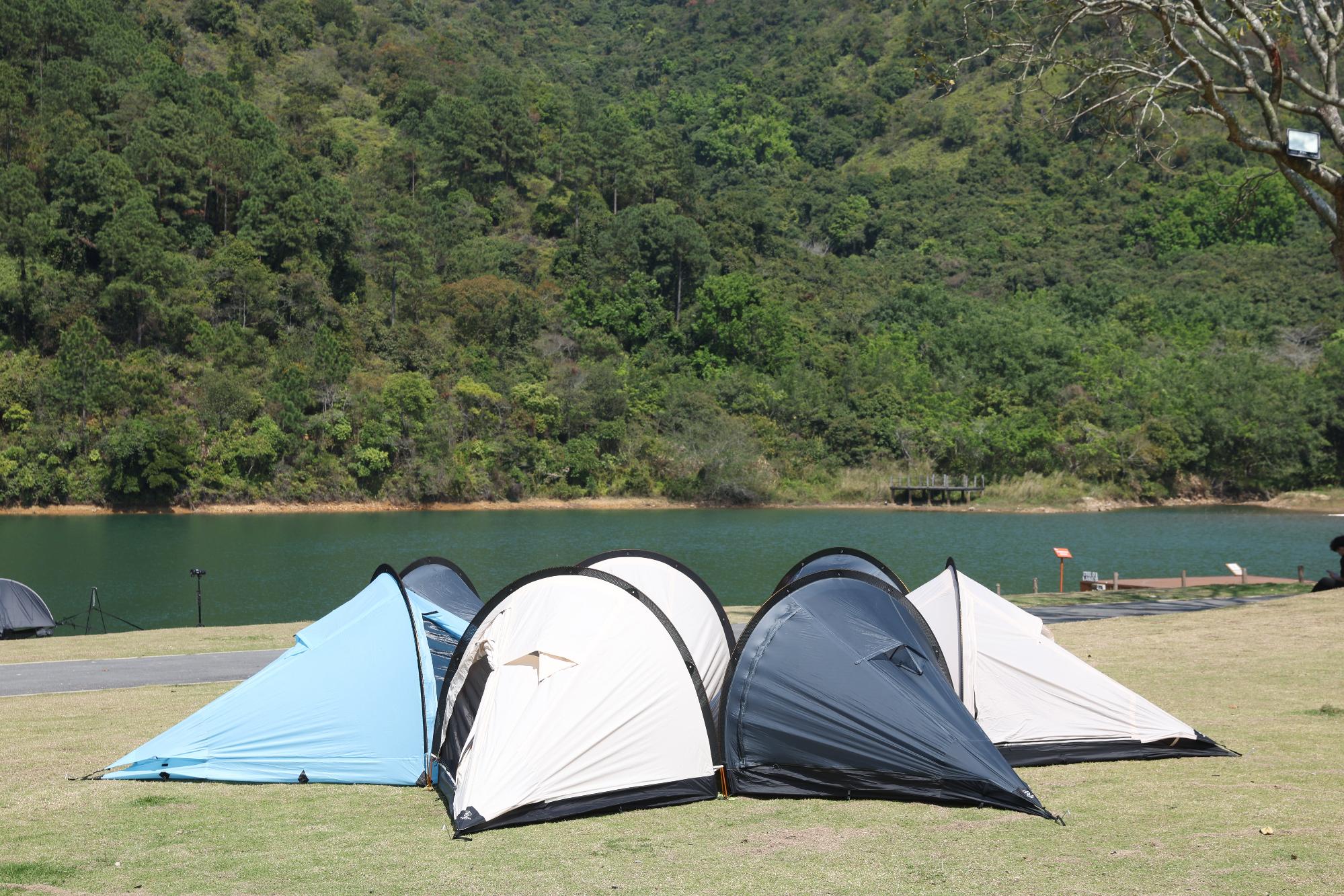
A full-coverage flysheet that overlaps the tent floor gives the most shelter but adds weight. Minimalist tarps are lighter and versatile but require more skill to avoid pools and drafts. Integrated bathtub floors prevent ground soak but need careful packing and cleaning. If you use vehicle-based camping, layouts change: a rigid roof and the car body reduce the need for extreme HH, but seams and entry points become critical. For those who want a more comfortable, climate-controlled experience at high-end events or resorts, you’ll notice standards similar to the luxury tents with air conditioning setup — those units prioritize sealed seams, ducting points, and heavier flysheet materials to keep both weather and heat exchange controlled.
 Field checklist and upkeep
Before rain hits: inspect seams and fabric for pinholes, reproof if the DWR has faded, tighten guylines, and clear nearby branches that could tear the flysheet. After rain: dry the flysheet fully before packing to prevent mould, reapply durable water repellent periodically, and store in a cool, dry place. Routine care keeps HH ratings meaningful and extends fabric life.
Experience-based tips I rely on
Over a decade of guiding and testing equipment taught me to prioritize simple redundancy: two anchor points for each corner, a spare patch kit, and at least one tarp or extra fly to create vestibule protection. I inspect new gear in a controlled rain test — a garden hose held at a consistent pressure reveals weak seams faster than a casual overnight trial. Trust product specifications only after physical inspection and user reports; real-world testing catches manufacturing variances.
Synthesis — a practical way forward
Solve the problem by matching your shelter to the conditions: choose higher HH and taped seams for heavy rain, keep pitch steep, and maintain your flysheet. When vehicle camping or seeking more comfort, factor how attachments and entry points change water flow and protection. The right combination of material choices, field repairs, and careful pitching gives reliable shelter — and that’s the practical value behind what THECATAL brings to thoughtful gear setups.