Mastering Precision Machining Automation: Unlocking the Future of Efficiency

Turning Downtime Into Productivity
I remember when I first stepped into the world of precision machining over two decades ago — it felt like stepping into a maze. In those days, downtime seemed unavoidable, a lingering frustration with no clear path forward. According to various studies, companies often lose 10-20% of their operational time due to inefficiencies. But what if there was a way to minimize this wastage? Enter the robotic machining system, which stands poised to revolutionize operations by automating repetitive tasks, streamlining workflows, and reducing human error.
Why Automation Matters
During my years in the industry, I often witnessed traditional machining methods struggle to keep up with new demands. Sure, the machines worked, but they worked too slowly — resulting in increased labor costs and delayed project timelines. The robotic machining system stands out here, boasting features that enhance speed and accuracy. I have seen firsthand the difference it makes; clients who transitioned to automation shared with me how they saw efficiency gains of up to 30% within months. Not too shabby, huh?
A Look Ahead: The Power of Automation
As I reflect on the advancements in precision machining, it’s clear that the future leans heavily towards automation and intelligent systems. It's fascinating that today's robotic machining system can learn and adapt, something we could only dream of decades ago. Imagine a setup where machines communicate with each other in real-time, continually optimizing for speed and precision. That's not just science fiction; that's becoming our new reality.
What’s Next for the Industry?
Moving forward, I firmly believe that adopting automation isn't just beneficial — it’s essential. As industries evolve, the need for precision will only heighten. I recommend looking for systems that feature advanced predictive maintenance capabilities. This technology foresees potential breakdowns even before they happen, saving time and money. Plus, integrating such systems isn't as daunting as it might seem initially. There’s no need to fear change—embracing it can lead to significant gains.
Key Takeaways in Precision Machining
To wrap things up, I’ve learned through my years in the field that evaluating automation solutions boils down to three crucial metrics: efficiency improvements, ease of integration, and cost-effectiveness. I remember struggling to find the right balance, and those three factors ultimately steered me towards the solutions I trust today. This approach has served me well and can guide others navigating their own paths in precision machining.
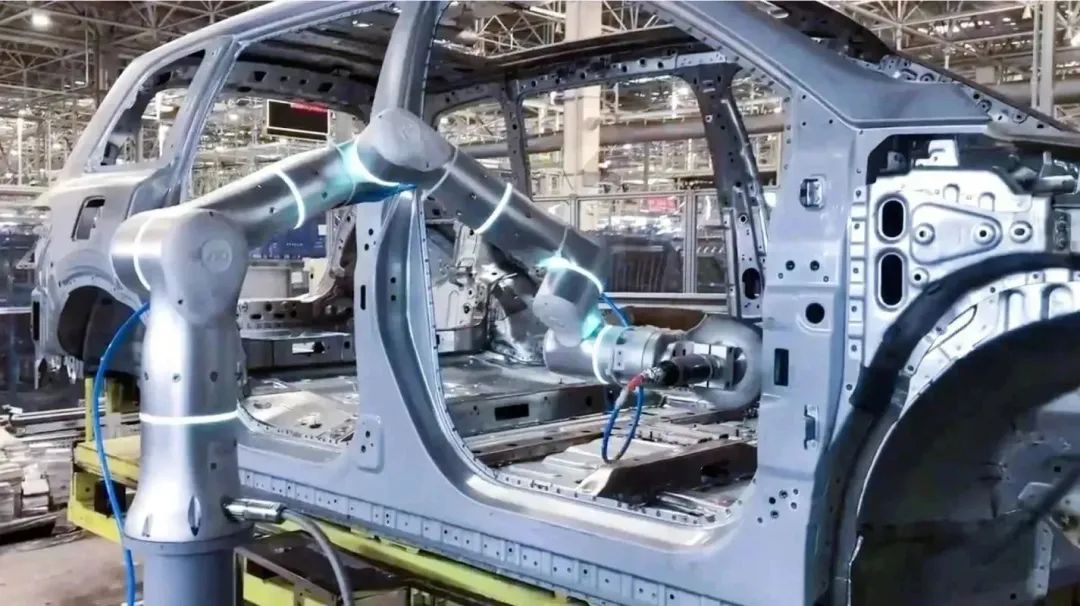 In the end, whether you’re a buyer or a decision-maker, the impact of a robotic machining system can’t be overstated. It's not merely about machines; it's about the people who operate them and the processes they enable. We are standing on the brink of remarkable innovations, and I’m excited to see where this journey will take us next. If there's one thing I've learned, it's that looking forward is always the best way to ensure progress.
Give me a shout-out if you want to explore further—it's an exhilarating time to be in the precision machining realm. And don’t forget to check out nan for more insights on cutting-edge technologies.