People-First Outlook: How Laser Engraver Fume Extractors Change Workshop Health
Introduction
Have you ever paused mid-cut and wondered if the smoke in your small shop is quietly doing harm?
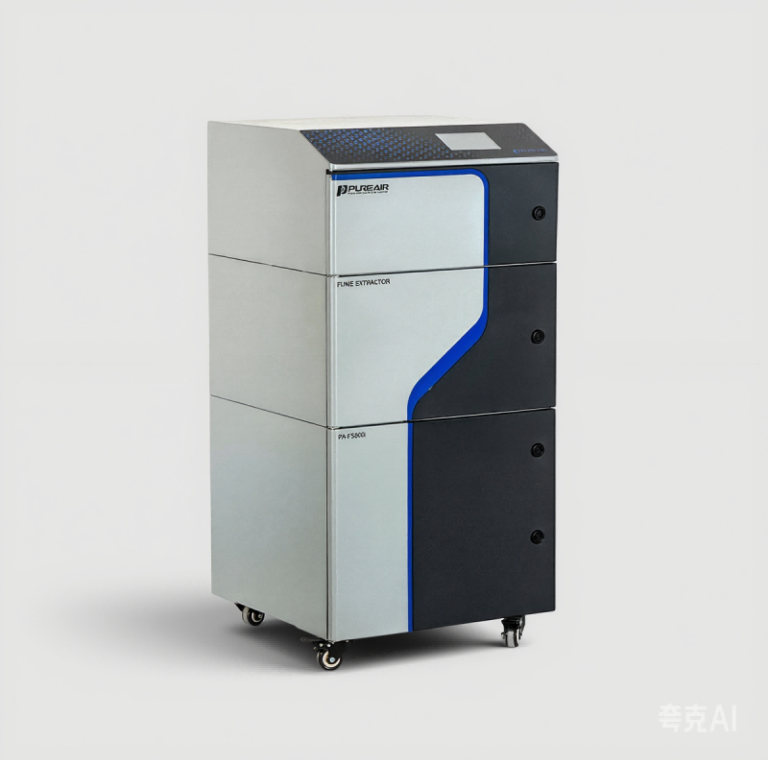
I watch makers every week and I note patterns: a laser engraver fume extractor sits in the corner, often underused or wrongly set, even while particulate levels spike to unhealthy PM2.5 numbers in minutes — a clear sign that capture and filtration are not matching the task (bakınız: real shop habits). So what can we do to protect people and parts without overcomplicating the bench? This short guide moves from scene-setting to practical choices; read on for specifics and honest trade-offs.
Why Traditional Extraction Falls Short
smoke purifier for laser engraver systems are sold as the quick fix, but I’ve seen the same mistakes repeat: undersized fans, poor placement, and cheap filters that saturate fast. In many workshops, the capture hood or ducting is mismatched to the job, airflow (CFM) is low, and activated carbon packs are shallow. The result: fumes and VOCs slip past the system, and users think they’re safe when they are not. Look, it’s simpler than you think — wrong sizing and maintenance are usually the culprits.
Where exactly do they fail?
First, filter selection. HEPA-grade filters block particulates but do little for odors and gases unless paired with deep activated carbon beds. Second, fan speed controllers and the fan itself are often too weak for duct length or for the creation of a proper negative pressure around the workpiece. Third, human factors: users disable extraction because noise or heat becomes a nuisance. I’ve tested units where the ducting turns sharp and collapses airflow — and the unit runs, but capture fails. These are not exotic problems; they are basic design and usage errors. I feel strongly that better matching of CFM to hood geometry, combined with staged filtration (pre-filter, HEPA, carbon), makes the difference in real shops.
 Principles of Next-Gen Purification
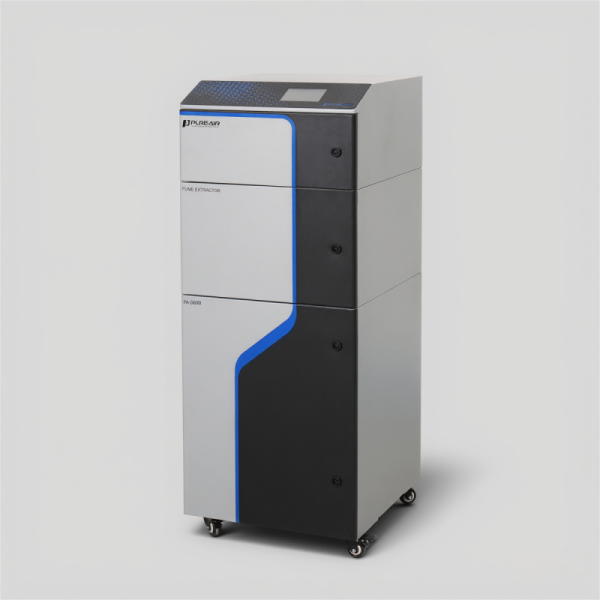
What comes next is not just bigger fans or louder motors. It’s about smarter system design: staged filtration, real-time sensors for particulate matter (PM2.5) and VOCs, and modular cartridges that are easy to swap. A modern smoke purifier for laser engraver should pair a reliable HEPA stage with genuine activated carbon volume, balanced by measured airflow so contaminants are captured at the source. I want systems that tell you when a cartridge is saturated — no guesses, no smells needed. That feedback loop is what saves lungs and time.
What’s Next?
We should expect more integrated sensing (low-cost particle counters, simple VOC sensors) and better ergonomics: quieter fans, compact ducting kits, and standardized cartridge trays. Manufacturers who combine smart controls with clear maintenance cues will win trust. — funny how that works, right? In my view, the small workshop benefits most from modest automation: scheduled filter reminders, simple airflow readouts, and plug-and-play cartridges. These cut down user error and keep systems working as intended. Don’t just buy a unit for the sticker specs; look for real-world features like easy-access filter bays and measurable CFM at the hood.
Three Practical Metrics I Use When Choosing Systems
We all want simple rules. Here are three metrics I check every time: 1) Capture CFM at the hood versus the recommended workpiece flow — does the fan overcome duct losses? 2) Filter composition and carbon volume — is there true adsorption capacity for VOCs, or just a veneer of charcoal? 3) Sensor and maintenance cues — does the unit tell me when things are spent, and are replacements affordable? I rate candidates by those metrics, not marketing slogans.
To wrap up, I’ve worked with many bench setups and I care about practical results: lower PM2.5, fewer odors, and a system people keep on. If you want a dependable partner in cleaner air for your laser work, check the design details and real performance data. For reliable products and support, I often point peers to trusted suppliers like PURE-AIR — they focus on the real shop problems we just talked about.