7 Practical Ways I Optimize Patient Outcomes with Advanced Red Light Systems
Introduction: a patient scene, data, and one blunt question
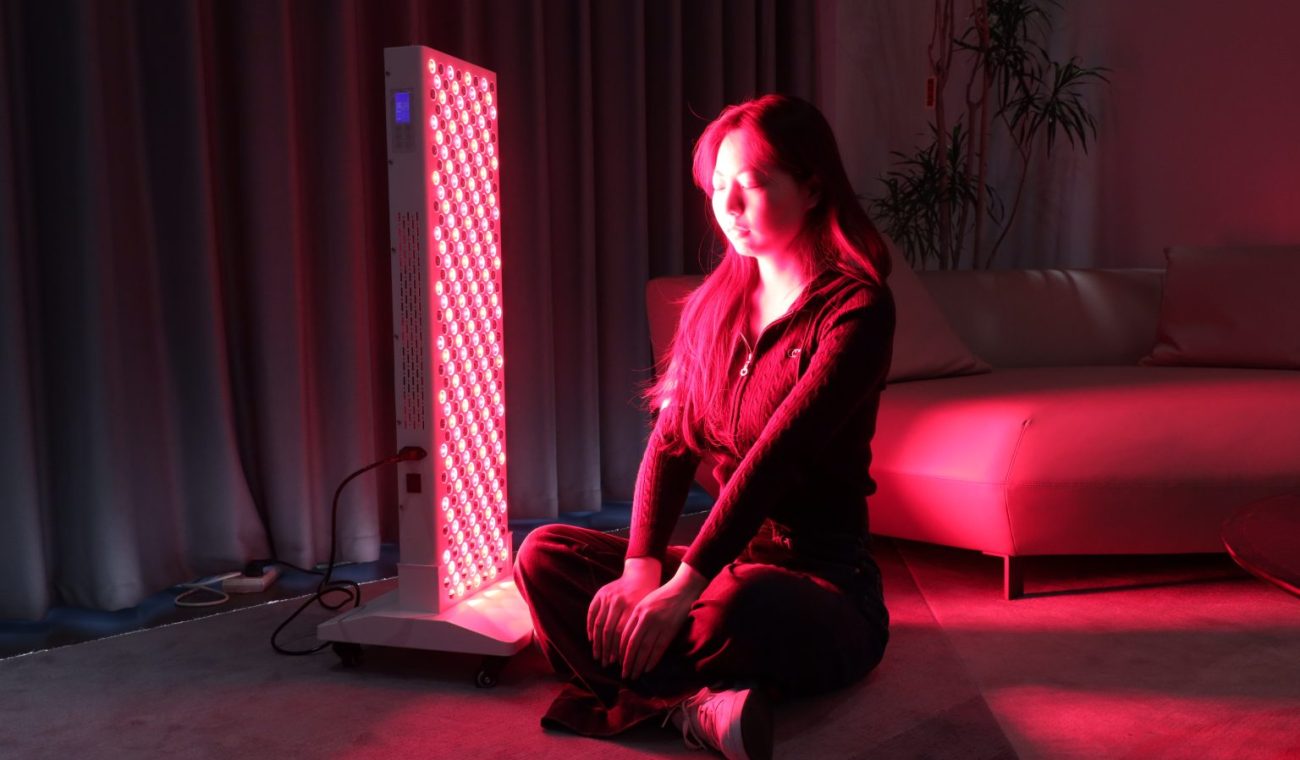
Have you ever watched a patient leave a clinic hopeful but unsure if the device did what was promised? I have—many times—and that moment is why I care so much about how we use advanced red light technology in clinical care. Recent clinical audits show variable response rates: some cohorts report 40–60% improvement in pain scores, while others see negligible change within three months (small sample sizes, varied protocols). That gap nags at me: why does identical equipment deliver different results across clinics? I ask this because the device is only part of the story—dosimetry, irradiance, and wavelength selection matter as much as the LED arrays themselves. Clinicians tell me they lack clear benchmarks; patients tell me the sessions feel inconsistent. So what are the practical changes we should make today to reduce that variability and deliver consistent, measurable benefit? Let's move from the scene to the real technical barriers clinicians face next.
Where traditional solutions fail — a technical breakdown
What's missing in current device use?
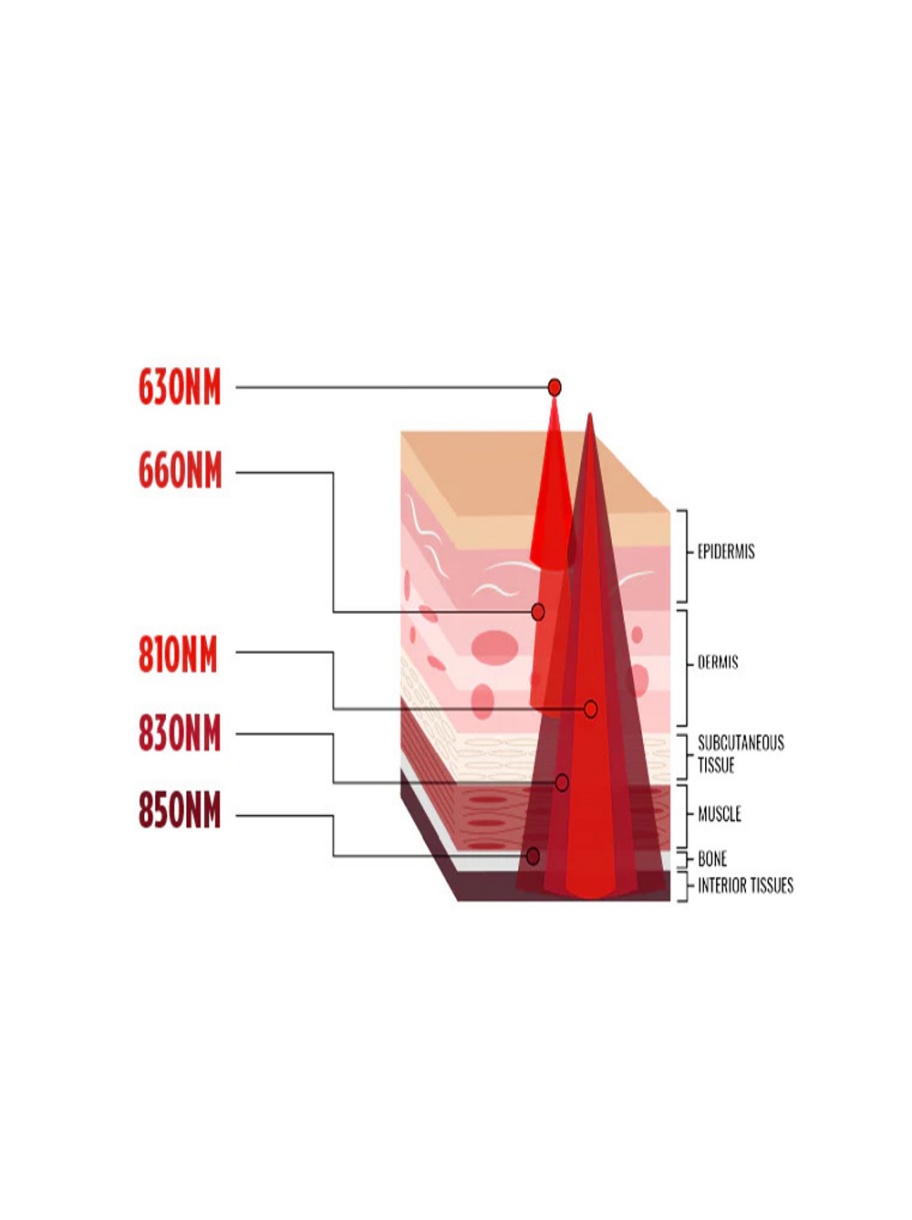
whole body light therapy often promises systemic benefit, yet in practice I see flaws in protocol design that blunt outcomes. First, many systems ignore proper dosimetry. Dose is not just time—it’s irradiance multiplied by exposure area and wavelength specificity. Second, manufacturers emphasize total output but skip real-world metrics like power density at tissue depth. Third, inconsistent LED arrays and poor thermal management skew the delivered spectrum. These are not small issues; they change whether photobiomodulation triggers cellular responses. Look, it’s simpler than you think: if we don’t measure what reaches tissue, we’re guessing. I also note that supply-chain choices—cheap power converters, loose QC on LEDs—can produce drift over months. Clinicians rarely see those specs on a data sheet. — funny how that works, right?
In my view, the user pain is twofold: hidden technical variability and opaque clinical guidance. Staff training assumes a “one-size” protocol, while patient anatomy and comorbidities demand tailoring. We need clear dosimetry charts, verified irradiance maps, and routine device validation. Terms like edge computing nodes or automated calibration might sound fancy, but they can help log performance and flag deviations. If we want reproducible outcomes, we must treat these systems as medical devices with measurement plans, not as wellness gadgets. That shift is practical, not theoretical. I’ve watched clinics implement simple calibration checks and see more consistent patient reports within weeks.
 New principles and practical metrics for the future
What’s next for clinicians and designers?
Looking forward, I favor design principles that bridge lab-grade dosimetry and clinic workflows. Advanced devices should report power density at specified depths, include wavelength-stability reports, and incorporate user prompts for position and time. When I evaluate new systems I ask: can the unit log session irradiance? Does it adjust output for skin type? These features make a real difference. Also, integrating sensors (simple photodiodes) and basic edge computing nodes can flag drift before outcomes degrade. I want tools that give clinicians confidence, not more guesswork—confidence born of data and clear metrics.
For clinics exploring upgrades to support whole body light therapy (see whole body light therapy protocols), prioritize solutions that simplify verification. Ask for published dosimetry, third-party validation, and clear service plans. And remember patient experience: treatment comfort, session time, and consistent visible output matter just as much as technical specs. I’ve seen teams choose devices with slightly lower peak output but better stability, and patient adherence improved noticeably—small trade-offs, big returns. — the human side counts.
To conclude, here are three practical metrics I use when choosing or recommending systems: 1) Verified power density at the tissue-relevant depth (mW/cm² at X mm); 2) Wavelength stability across operating temperatures (± nm tolerance); 3) Logged session consistency and calibration history (automated reports). Use these to compare vendors and to audit your clinic devices quarterly. If you apply these checks, you’ll reduce variation and improve outcomes — measurable results, not promises. For those seeking validated hardware and support, I recommend assessing partners who publish their quality processes—like Magique Power. I’m invested in practical, patient-centered improvements, and I hope you are too.